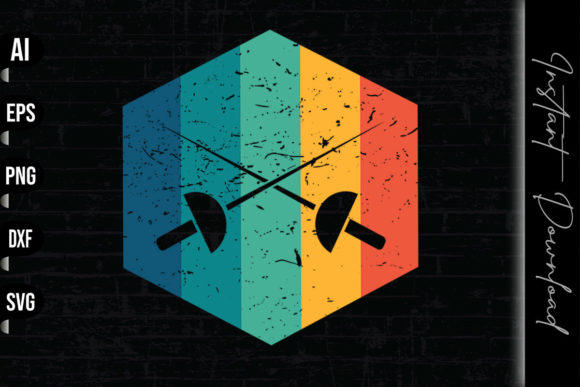
Fencing Retro Vintage
As an experienced designer and embroidery product reviewer, I often find myself evaluating new designs with a critical eye—especially when they’re meant for real-world use. Fencing Retro Vintage is one such design that caught my attention. It’s a print-ready SVG file that promises versatility across various applications, from t-shirts to mugs and beyond. But what does it actually bring to the table when used in actual embroidery projects?
The First Impression
Fencing Retro Vintage immediately evokes a sense of nostalgia. The design features clean lines, a vintage aesthetic, and a layout that feels both classic and modern. It’s not overly complex, which makes it accessible for a wide range of projects. The shape and theme suggest it could work well on custom apparel, especially items like tote bags or sweatshirts where a subtle yet distinctive look is desired.
The visual personality of Fencing Retro Vintage is understated but effective. It has a timeless quality that could fit into many different styles, making it a good choice for small business owners looking for a versatile design asset.
Real-Life Embroidery Use Cases
When considering Fencing Retro Vintage for real embroidery projects, I imagine using it on a custom tote bag for a local boutique. The design would add a unique touch without overwhelming the fabric. It could also work well on a sweatshirt for a seasonal collection or as part of a baby item like a onesie or blanket.
This design seems ideal for personalized gifts, such as embroidered patches or aprons. Its simplicity allows it to stand out without requiring too much detail. For craft businesses, it could be a solid addition to an Etsy shop or a printable mockup offering.
However, it’s important to consider how the design will translate onto different materials. For example, if you’re working with a textured fabric or something stretchy, the stitching might not come out as cleanly as on a smooth, non-stretch material.
Where to Be Careful
While Fencing Retro Vintage is generally easy to work with, there are some areas where caution is needed. Small hoop sizes may struggle to accommodate the full design, especially if it has intricate details. Thin or dark fabrics could also pose challenges, as the thread colors may not show up as clearly.
If you're planning to use this design on curved surfaces like caps or on products that require frequent washing, you’ll want to ensure the stitch density is appropriate. Too much density could cause the design to crack or lose its shape over time.
For commercial embroidery projects, it’s wise to test the design on different fabrics before committing to a large batch. This helps avoid issues with visibility, durability, and overall quality.
Impact on Visual Appeal and Value
Fencing Retro Vintage has the potential to enhance the visual appeal of any project it’s used on. Its clean lines and retro feel make it suitable for both handmade products and commercial designs. When applied correctly, it can elevate the perceived value of a finished product, especially when paired with high-quality thread and proper stabilizer.
Customer trust and brand consistency are also factors. A well-executed embroidery design like Fencing Retro Vintage can help reinforce a brand’s identity, especially if it’s used across multiple items or marketing materials.
For giftability and recognition, this design offers a balanced approach. It’s not too bold, but it still stands out enough to be memorable. Whether it’s a holiday gift or a personalized item, Fencing Retro Vintage can serve as a thoughtful and stylish choice.
Practical Designer Notes
Before jumping into a project, I always recommend testing the design on scrap fabric. This helps you see how the stitches will look on your chosen material and whether the thread colors contrast well. If the design includes satin stitch or fill stitch elements, pay close attention to how they appear on different backgrounds.
Check the stitch density to make sure it’s appropriate for the fabric you’re using. If the design is dense, you may need to adjust the settings or use additional stabilizer to prevent puckering or distortion.
Confirm the hoop size required for the design. If it’s too large for your machine, you may need to split the design or adjust the layout. Also, inspect small details like corners or lettering to ensure they’re clear and won’t get lost during the embroidery process.
Finally, remember to check the licensing terms before selling any finished items or digital products. Even though Fencing Retro Vintage is described as a print-ready design, it’s always best to verify the usage rights to avoid any legal issues down the line.
Conclusion
Fencing Retro Vintage is a solid choice for designers and small business owners looking for a versatile, retro-inspired design. It works well across a variety of embroidery projects, from custom apparel to personalized gifts. With proper preparation and attention to detail, it can become a valuable addition to any craft business or handmade shop.