Roofer Retro Vintage
As a designer who’s spent years working with machine embroidery designs, I approach every new file with a mix of curiosity and critical evaluation. Roofer Retro Vintage is one such design that caught my attention—not just for its aesthetic, but for how it might translate into real-world projects. Whether you're an Etsy seller, a craft business owner, or a hobbyist looking to create something unique, this design has potential. But like any good design, it needs to be understood before it’s used.
The First Impression: A Nostalgic Visual Journey
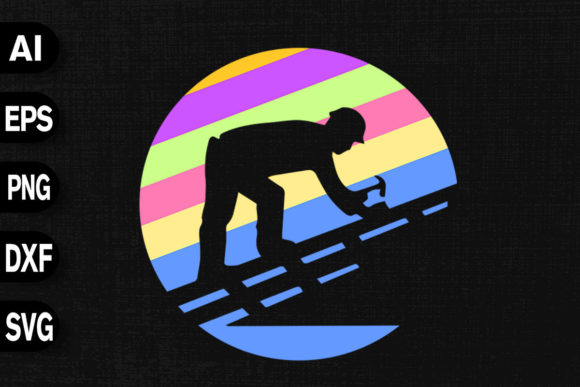
Roofer Retro Vintage immediately evokes a sense of vintage Americana. The shape is clean, the layout balanced, and the details are just enough to add character without overwhelming. It’s the kind of design that feels at home on a sweatshirt, a tote bag, or even a baby onesie. The theme is straightforward—retro, rugged, and slightly edgy. It’s not overly complex, which makes it versatile but also means it relies heavily on execution.
The visual personality is bold yet subtle. It doesn’t shout, but it commands attention. If you’re looking for something that can work across multiple products—like a custom apparel line or a small shop merchandise collection—this could be a solid choice.
Real-Life Embroidery Scenarios: Where Roofer Retro Vintage Shines
Imagine you’re preparing a custom embroidered tote bag for a client. You want something that stands out but isn’t too flashy. Roofer Retro Vintage fits perfectly here. Its size and structure make it ideal for a medium-sized hoop, and the design elements—like the stylized lettering and simple graphic—translate well onto fabric. It’s also great for a sweatshirt embroidery project, where the retro vibe pairs nicely with casual wear.
For baby items, this design could work as an embroidered patch or a decorative element on a onesie. The simplicity of the design helps keep it age-appropriate while still offering a unique touch. For holiday gifts or personalized products, Roofer Retro Vintage adds a nostalgic flair that resonates with many buyers.
It’s also a strong contender for commercial embroidery projects. If you’re running a craft fair booth or an online store, having a design that’s both recognizable and adaptable can make a big difference in customer engagement.
Where to Be Careful: Practical Considerations
While Roofer Retro Vintage is visually appealing, it’s not without its challenges. Small hoop sizes may struggle to accommodate the full design, especially if the elements are spread out. Textured fabrics or thin materials could cause the stitches to look uneven, so testing on scrap fabric is essential.
On dark fabrics, the thread color contrast becomes crucial. If the design uses light-colored threads, it might not stand out as much as intended. Similarly, stretchy or layered garments require extra stabilizer to prevent distortion during stitching.
Detailed corners or tiny lettering could become problematic if the stitch density is too high. This is where a test run comes in handy. Checking the design in black and white mockups can help identify areas that might need adjustment before committing to a final product.
Impact on Visual Appeal and Customer Perception
Roofer Retro Vintage has the potential to elevate the visual appeal of any finished product. When executed well, it adds a professional touch that customers will notice. For handmade products, this design can help build trust and recognition, especially if it’s part of a consistent brand aesthetic.
As a personalized gift, it offers a level of uniqueness that can make a lasting impression. Whether it’s a custom apron for a kitchen or a holiday-themed pillow cover, the retro feel of this design can make it more than just a decoration—it becomes a meaningful item.
For small shop products or Etsy listings, Roofer Retro Vintage can serve as a key differentiator. It’s not overly common, which gives it a fresh edge. But again, how it’s presented matters. Proper stitching, good stabilizer use, and attention to detail will determine whether it becomes a hit or a miss with customers.
Embroidery Designer Notes: What to Check Before Using
Before jumping into any project, I always recommend testing the design on scrap fabric. This helps you understand how the stitches will look on your chosen material. Check the thread colors against the background to ensure visibility. Review the stitch density—if it’s too dense, it might cause puckering or stiffness.
Confirm the hoop size required for the design. If it’s too large, you may need to adjust the layout or split the design into sections. Inspect small details like corners and lettering to see if they hold up under stitching. Testing in black and white mockups can also reveal issues that might not be obvious in color.
Make sure the design works for both personal and commercial projects. If you plan to sell finished items or digital products, check the licensing terms carefully. Even if the design is compatible with Cricut and other machines, understanding the usage rights is essential to avoid legal issues.
Final Thoughts: Is Roofer Retro Vintage Worth the Investment?
Roofer Retro Vintage is a design that offers versatility and charm. It’s not perfect for every project, but when used correctly, it can add value to a wide range of products. Whether you’re creating custom apparel, small shop merchandise, or personalized gifts, this design has the potential to stand out.
As with any machine embroidery design, success depends on how well you understand its strengths and limitations. With careful planning, proper technique, and attention to detail, Roofer Retro Vintage can become a valuable addition to your design assets.